How to Prepare an SMM Campaign
In today’s digital world, having a great product or service isn’t enough—if your target audience doesn’t know you exist, your business won’t grow. That’s where Social Media Marketing (SMM) comes in!
Preparing a Social Media Marketing (SMM) campaign for a new MSME requires careful planning, execution, and monitoring. From choosing the right platforms to creating engaging content and tracking performance, every step matters in building brand awareness and driving growth.
I. Define Campaign Objectives
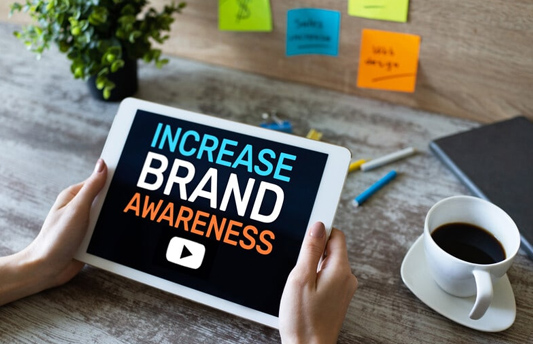
1. Increase brand awareness
Establish your MSME’s online presence and build recognition.
Building a strong online presence helps your MSME get noticed and connect with the right audience. Start by optimizing your website, staying active on social media, and sharing valuable content that showcases your expertise. The more consistent and engaging you are, the easier it becomes to boost brand recognition and earn customer trust.
2. Drive website traffic
Attract potential customers to your website.
Attracting potential customers to your website starts with strong SEO, engaging content, and strategic marketing. Use targeted keywords, high-quality blog posts, social media promotions, and paid ads to increase visibility and drive traffic. The better your online presence, the more visitors you’ll convert into loyal customers.
3. Generate leads
Encourage visitors to provide contact information or make a purchase.
Make it simple for visitors to sign up or make a purchase by using clear call-to-action (CTAs), easy-to-fill forms, and irresistible offers. Whether it’s discounts, free resources, or exclusive content, give them a reason to take action. A smooth, hassle-free experience means they’re more likely to engage, buy, and keep coming back.
4. Boost sales
Increase conversions and revenue.
Want to boost sales and conversions? Start by optimizing your website, streamlining your sales funnel, and making the user experience seamless. Use strong CTAs, personalized marketing, and limited-time offers to nudge visitors toward action. The smoother and more enticing the process, the more customers you’ll attract, convert, and keep coming back.
II. Identify Target Audience
1. Demographics
Age, location, interests, and behaviors.
Want to connect with the right audience? Start by understanding their age, location, interests, and behaviors. Knowing who they are and what they like helps you personalize your marketing, create content they’ll love, and offer deals they can’t resist. The better you align with their needs, the more engagement and conversions you will see.
2. Psychographics
Values, attitudes, and lifestyle.
Understanding your audience’s values, attitudes, and lifestyle helps you create messages that truly resonate. When your brand aligns with their beliefs and daily habits, you build trust, loyalty, and strong emotional connections—leading to higher engagement, better retention, and more conversions.
3. Pain points
Problems or challenges your MSME solves.
Every great MSME solves a problem that customers struggle with. Figure out their biggest challenges and show them how your products or services make life easier. The clearer you communicate your value, the more you’ll attract, engage, and turn potential customers into loyal ones.
III. Choose Social Media Platforms
1. Facebook
Wide reach, targeted advertising, and community building.
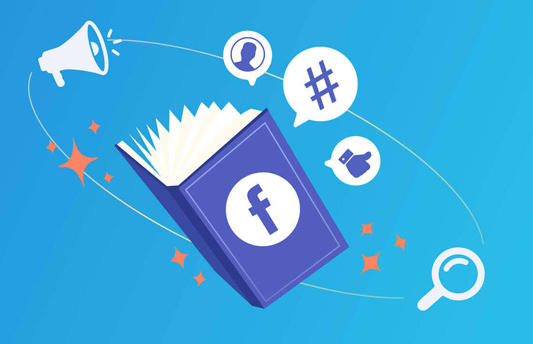
Social media helps you reach a huge audience and connect with the right people across different platforms. With targeted ads, you can focus on potential customers based on their interests, location, and behavior—boosting engagement and conversions. Plus, building a strong community creates trust and loyalty, making it easier to grow your brand and increase sales.
2. Instagram
Visual storytelling, influencer marketing, and e-commerce integration.
Visual storytelling grabs attention and makes your brand unforgettable with eye-catching images, videos, and graphics. Influencer marketing helps you tap into a bigger, more engaged audience by partnering with trusted voices in your industry. And with e-commerce integration, you make shopping super easy—letting customers buy directly from social media and boosting your sales effortlessly.
3. Twitter
Real-time engagement, customer service, and news sharing.
Engaging with your audience in real time helps you build trust and strengthen brand loyalty. Social media also doubles as a customer service hub where you can quickly answer questions, resolve issues, and keep customers happy. Plus, sharing news, promotions, and industry updates keeps your brand fresh, relevant, and always on your audience’s radar.
4. LinkedIn
B2B marketing, thought leadership, and professional networking.
B2B marketing is all about building strong relationships by offering valuable content and solutions that meet the specific needs of business clients. By sharing insightful articles, case studies, and showcasing your expertise, you can establish yourself as a thought leader in your industry. Networking through platforms like LinkedIn, attending conferences, or forming strategic partnerships helps you connect with key decision-makers, broaden your reach, and grow your business over time.
IV. Develop Content Strategy
1. Content types
Images, videos, blog posts, stories, and live streams.
Diversifying your content is key to a successful social media strategy. Share eye-catching images to grab attention, create engaging videos to boost interaction, publish SEO-optimized blog posts to drive organic traffic, and use stories and live streams for real-time audience engagement. Mixing these content formats helps increase brand visibility, improve customer engagement, and maximize your reach across different social media platforms.
2. Content calendar
Plan and schedule content in advance.
Consistency is the secret to a strong social media strategy! Planning and scheduling your content in advance with tools like Buffer, Hootsuite, or Meta Business Suite makes it easy to stay on track. You’ll keep your audience engaged, post at the right times for maximum reach, and build a strong brand presence—all without the stress of daily posting. A well-organized content calendar is your best friend for boosting visibility and driving organic traffic
3. Content creation
Produce high-quality, engaging, and informative content.
Creating high-quality, engaging, and informative content is essential for capturing your audience’s attention and building trust. Share valuable insights, use eye-catching visuals, and tell compelling stories that spark interest and encourage shares. Plus, don’t forget to optimize with the right SEO keywords, clear formatting, and strong calls to action—this helps boost organic traffic, build credibility, and turn followers into loyal customers.
4. Content curation
Share relevant, third-party content.
Sharing relevant third-party content is a great way to provide value, build credibility, and keep your audience informed. Whether it’s industry news, expert insights, or trending topics, curating content from trusted sources helps build credibility and keeps your followers in the loop.
V. Set Up Social Media Accounts
1. Create profiles
Complete and optimize profiles on selected platforms.
Think of your social media profile as your digital storefront—it’s the first thing people see! Make sure it’s fully optimized by updating your bio, adding clear contact details, and using the right keywords to improve search visibility. Platforms like Facebook, Instagram, and LinkedIn reward well-completed profiles, so don’t forget to include branded visuals, a consistent tone, and strategic hashtags to boost credibility, attract the right audience, and drive engagement.
2. Profile pictures and banners
Use high-quality, branded visuals.
High-quality, branded visuals make your content stand out and create a strong, memorable identity for your brand. Use professional images, custom graphics, and a consistent color scheme that match your brand’s style to build trust and boost discoverability.
3. Bio and description
Clearly state your MSMEs purpose and unique value proposition.
Clearly define what makes your business special—whether it’s high-quality products, exceptional customer service, or innovative solutions—and how it solves your audience’s pain points.
Vi. Run Social Media Ads
1. Advertising objectives
Align ads with campaign objectives (awareness, traffic, leads, sales).
Whether you’re aiming for brand awareness, more website traffic, lead generation, or sales, choosing the right ad format, audience targeting, and messaging is key to maximizing ROI.
2. Targeting options
Use demographics, interests, behaviors, and custom audiences.
Targeting the right audience is the key to running successful ad campaigns. Use demographics, interests, and behaviors to connect with those who are most likely to engage with your brand and convert. Fine-tune your audience with SEO-friendly ad copy, the right keywords, and precise targeting to boost engagement, improve ad performance, and maximize your ROI.
3. Ad formats
Image, video, carousel, collection, and story ads.
Choosing the right ad format can make a big difference in capturing your audience’s attention and driving results. Use image ads for quick, impactful messaging, video ads to boost engagement, carousel ads to showcase multiple products or features, collection ads for a seamless shopping experience, and story ads to create immersive, full-screen content. Optimizing these ads with SEO-friendly captions, relevant keywords, and compelling calls to action can improve visibility, engagement, and conversions.
4. Budget and bidding
Set budgets, bid strategies, and ad scheduling.
Managing your ad spend effectively is crucial for maximizing results while staying within budget. Set a clear budget, pick the right bid strategy (like cost-per-click or cost-per-impression), and schedule your ads to run when your audience is most active.
Vii. Engage with the Audience
1. Respond to comments and messages
Provide timely, helpful, and personalized responses.
Engaging with your audience through timely, helpful, and personalized responses builds trust and strengthens customer relationships. Whether answering inquiries, addressing concerns, or thanking customers for their feedback, responding promptly shows professionalism and enhances user experience. Optimizing replies with SEO-friendly keywords, a friendly tone, and relevant links can also improve brand credibility, boost engagement, and encourage customer loyalty.
2. Use social listening
Monitor brand mentions, keywords, and industry conversations.
With tools like Google Alerts, Hootsuite, or Brandwatch, you can see what people are saying about your brand, engage with potential customers, and respond to feedback in real-time. Optimizing this strategy with SEO hashtags, targeted content, and proactive engagement can boost brand visibility, credibility, and audience trust.
3. Share user-generated content
Encourage and showcase customer-created content.
User-generated content (UGC) is a powerful way to build trust, boost engagement, and create authentic connections with your audience. Encourage customers to share their experiences through reviews, testimonials, photos, and videos, then showcase their content on your social media and website.
VIII. Monitor and Measure Performance
1. Track key metrics
Engagement, reach, clicks, conversions, and return on ad spend (ROAS).
Keep an eye on key metrics like engagement, reach, clicks, conversions, and ROAS. Tracking these insights helps you see what’s working, tweak your strategy, and optimize future campaigns for even better results.
2. Use analytics tools
Facebook Insights, Google Analytics, and social media management tools.
Tools like Facebook Insights, Google Analytics, and social media management provide valuable data on audience behavior, engagement, traffic sources, and conversions, thereby helping you make informed decisions.
3. Adjust campaign strategy
Based on performance data, adjust targeting, ad creative, and budget.
Regularly analyzing performance data helps you refine your ad strategy for better results. Make tweaks by adjusting targeting to reach the right audience, refining ad creatives for more engagement, and optimizing your budget for maximum ROI.
IX. Optimize and refine
1. A/B testing
Test ad creative, targeting, and budget to optimize performance.
Try different ad creatives, targeting options, and budget strategies to see what works best. Running A/B tests on visuals, copy, and audience segments helps you find the perfect mix for higher engagement and better ROI.
2. Audience insights
Analyze audience data to refine targeting and ad creativity.
Analyzing audience data helps you fine-tune your targeting and create more effective ad content. Look at demographics, interests, and engagement patterns to fine-tune your targeting and craft ad content that truly connects.
3. Content optimization
Refine content strategy based on engagement and conversion data.
Refining your content strategy based on engagement and conversion data helps you create more impactful and high-performing campaigns. By analyzing metrics like click-through rates, time spent on content, and conversion rates, you can adjust your messaging, format, and distribution to make a stronger impact and connect better with your audience.
By following these steps, you'll be able to prepare a successful SMM campaign for your new MSME. driving brand awareness, website traffic, leads, and sales..
C-DOX can be a game-changer for your social media marketing (SMM) campaign by providing expert strategies tailored to your business growth. With over 30 years of expertise, C-DOX ensures your social media efforts aren’t just consistent but drive results.