How to Become an Exporter .....
Becoming an Exporter involves strategic planning, thorough market research, and adherence to international trade regulations. Businesses can expand globally and unlock new revenue streams by developing a strong export strategy, building reliable supply chain partnerships, and leveraging government trade support programs.
Here’s a step-by-step guide to help you navigate the export process efficiently and establish a strong presence in global markets.
Research and Planning
1. Identify your product
Determine what product(s) you want to export, considering factors like demand, competition, and profit margins.
Selecting the right product to export is crucial for long-term success and profitability. By analyzing market demand, competition, and profit margins, you can identify high-potential products with strong global appeal. Conduct thorough research to find items that align with consumer needs, have minimal trade barriers, and offer a competitive advantage in international markets.

2. Research target markets
Analyze potential export markets’ economic conditions, trade policies, and consumer preferences.
By researching factors such as tariffs, import regulations, purchasing power, and cultural trends, businesses can strategically enter markets with high demand, minimal trade barriers, and strong growth potential, ensuring long-term success in global trade.
3. Develop a business plan
Outline your export strategy, including market analysis, marketing and sales plans, financial projections, and logistics.
By proactively addressing these key elements, businesses can mitigate risks, maximize efficiency, and successfully expand into global markets while maintaining profitability and competitiveness.
II. Understand Export Regulations
1. Familiarize yourself with export laws
Learn about export regulations, such as customs, taxes, and product safety standards.
Staying updated on these legal requirements helps businesses avoid delays, prevent penalties, and streamline cross-border transactions, leading to a smoother and more efficient export process.
2. Obtain necessary licenses and permits
Register with relevant authorities, such the Export-Import Bank.
These organizations provide essential documentation, financial support, and trade resources, helping businesses streamline export processes, minimize risks, and successfully expand into global markets.
3. Comply with trade agreements
Understand the terms and conditions of trade agreements, such as the World Trade Organization (WTO)
These agreements outline international trade terms, helping exporters navigate legal requirements, optimize costs, and gain a competitive advantage in global trade.
III. Prepare Your Product for Export
1. Ensure product compliance
Verify that your product meets the regulatory requirements of the target market.
Compliance with safety standards, labeling laws, quality certifications, and environmental regulations helps prevent delays, avoid penalties, and enhance your brand’s credibility, increasing its appeal in global markets.

2. Obtain necessary certifications
Acquire certifications, such as ISO 9001 or CE marking, to demonstrate compliance with international standards.
Obtain globally recognized certifications like ISO 9001 or CE marking to showcase quality assurance, regulatory compliance, and industry credibility. These certifications build customer trust, enhance brand reputation, and unlock new business opportunities worldwide.
3. Labeling and packaging
Ensure that your product labeling and packaging comply with export regulations.
Ensure your product labeling and packaging comply with international export regulations by meeting country-specific requirements for language, safety symbols, ingredients, and compliance marks, ensuring smooth market entry and customer trust.
IV. Find Buyers and Negotiate Sales
1. Attend trade shows and exhibitions
Showcase your product to potential buyers and industry experts.
Showcase your product to potential buyers and industry experts at trade shows, online marketplaces, and networking events. Highlight key features, certifications, and benefits to boost visibility, attract leads, and drive sales growth.
2. Utilize online platforms
Leverage e-commerce platforms, social media, and trade portals to connect with buyers.
Leverage e-commerce platforms, social media, and trade portals to connect with global buyers, increase brand visibility, showcase products, and drive sales through targeted marketing and seamless online transactions.
3. Negotiate sales contracts
Establish clear terms and conditions, including payment, delivery, and warranty.
Well-defined policies help prevent disputes, streamline transactions, and improve buyer confidence, increasing customer satisfaction and loyalty.
V Logistics and Shipping
1. Choose a freight forwarder
Select a reliable freight forwarder to handle transportation and customs clearance.
Choosing a reliable freight forwarder involves selecting a company with proven experience in managing logistics, transportation, and customs clearance. The company should also have a solid reputation for timely deliveries and compliance with international trade regulations.
2. Understand Incoterms
Familiarize yourself with International Commercial Terms (Incoterms) to clarify responsibilities and liabilities.
Understanding International Commercial Terms (Incoterms) is essential to clearly define buyer and seller responsibilities, costs, and risks in global trade, ensuring smooth transactions, minimizing disputes, and improving compliance with international shipping regulations.
3. Obtain marine insurance
Consider insuring your shipments against loss or damage.
Protect your shipments with insurance to safeguard against loss, damage, theft, accidents, or mishandling during transit, ensuring financial security and uninterrupted business operations.
VI Finance and Payment
1. Understand payment terms
Negotiate payment terms, such as letter of credit, bank transfer, or cash in advance.
Negotiate secure payment terms, such as a letter of credit, bank transfer, or cash in advance, to ensure timely transactions, reduce financial risk, and strengthen business relationships in international trade.
2. Manage foreign exchange risks
Protect your business from currency volatility by using hedging strategies like forward contracts, options, or currency swaps to stabilize costs, reduce financial uncertainty, and maintain pricing consistency in international transactions, ensuring better budgeting and higher profit margins.
3. Explore export financing options
Utilize government-backed loans, export credit insurance, or factoring to support your export operations.
Boost your export operations with government-backed loans, export credit insurance, or factoring to secure financing, reduce risk, and protect against non-payment or losses while improving cash flow and ensuring smoother international transactions and business stability.
VII Monitor and Evaluate
1. Track export performance
Monitor sales, revenue, and customer satisfaction.
Track sales, revenue, and customer satisfaction regularly to evaluate business performance, identify improvement areas, and foster customer loyalty, driving growth and boosting profitability.
2. Evaluate market trends
Continuously research market developments, competitor activity, and regulatory changes.
Stay competitive by continuously researching market trends, competitor activity, and regulatory changes to anticipate industry shifts, adapt strategies proactively, and ensure compliance in a rapidly evolving marketplace.
3. Adjust your export strategy
Refine your approach based on performance data and market insights.
Analyze performance data and market insights regularly to refine your business approach, optimize strategies, improve decision-making, and stay ahead of industry trends for sustained growth and competitiveness.
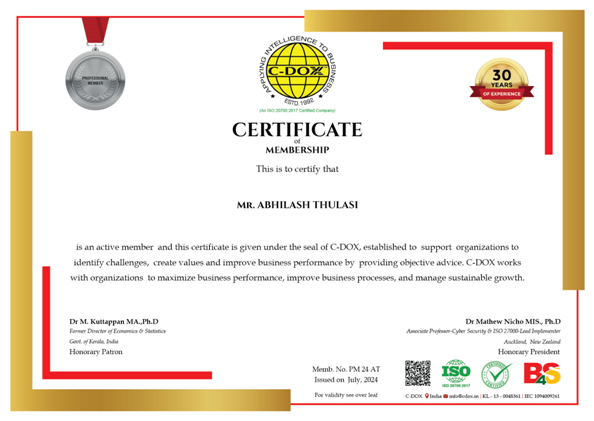
C-DOX certification helps exporters by ensuring compliance with international trade regulations, quality standards, and documentation requirements, making cross-border transactions smoother and more efficient.